

Each year, as Memorial Day approaches, the front lawn of Clover Park High School transforms into something extraordinary. Thousands of white markers appear in precise rows stretching across the campus grounds, creating a solemn and striking landscape reminiscent of the rows of headstones at Arlington National Cemetery. From a distance, the display is visually powerful. Up close, it becomes deeply personal.
Known as The Arlington Project, this student-led living memorial has become one of the Clover Park community’s most meaningful traditions—a tribute not only to fallen service members, but also to the idea that remembrance itself requires participation.

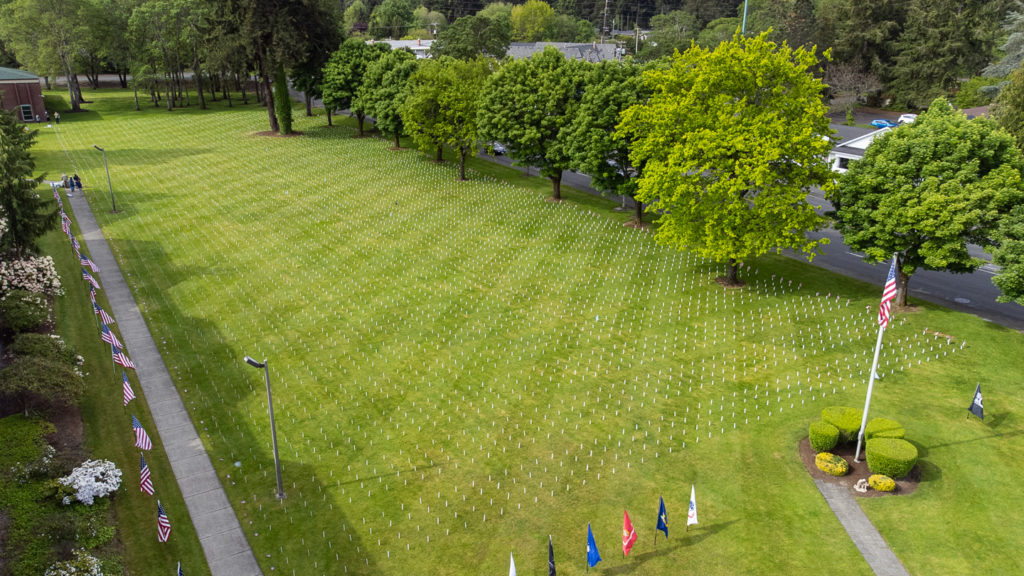
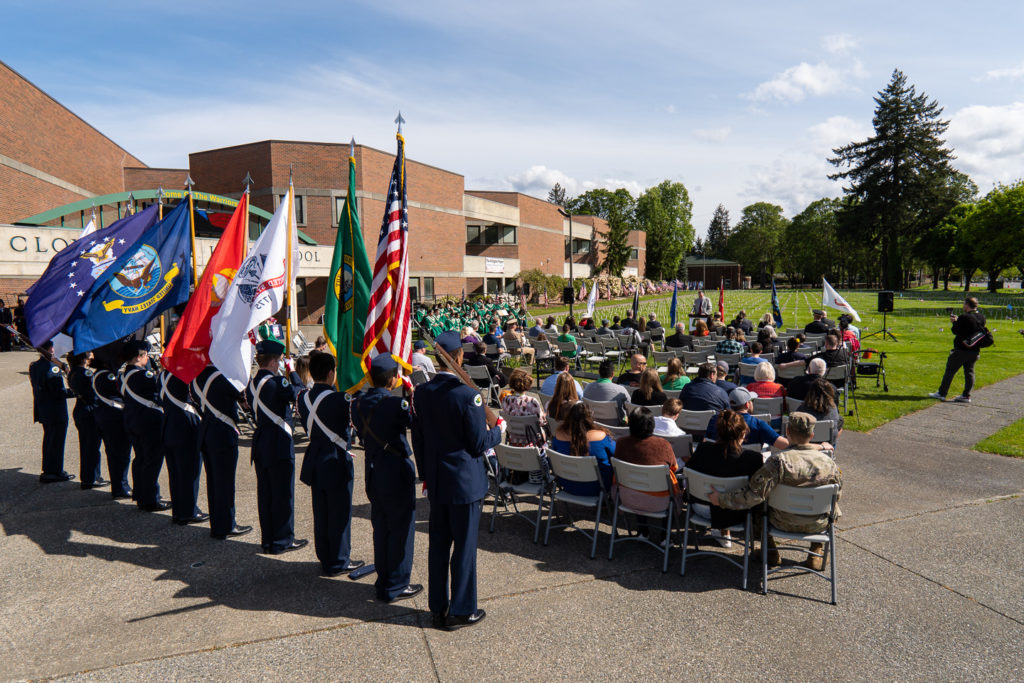

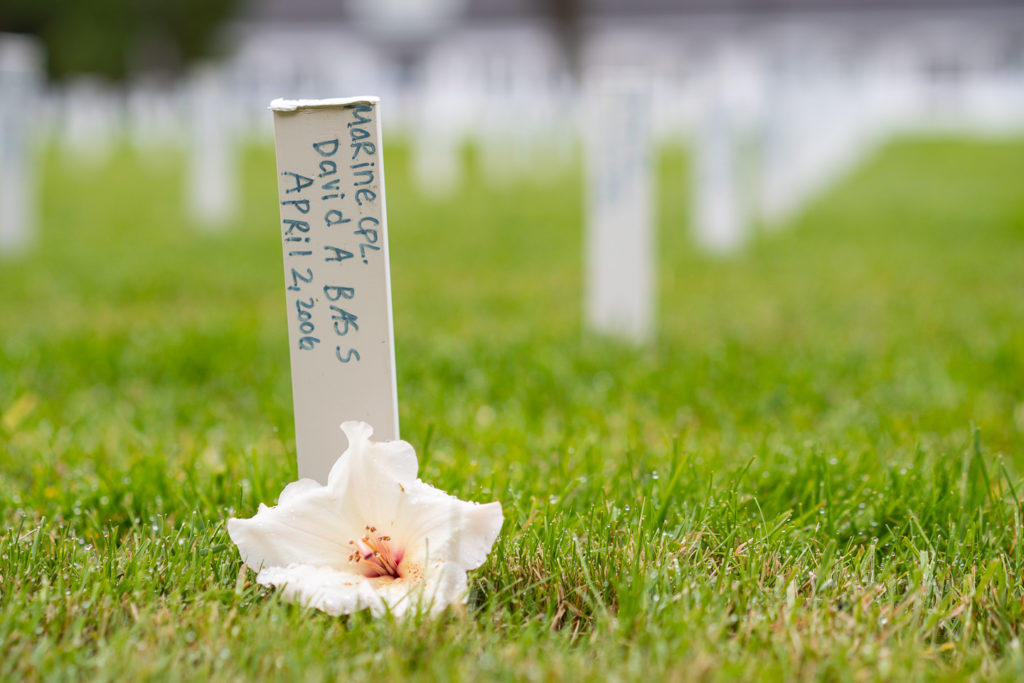
Photo credit: https://cityoflakewood.us/clover-park-high-school-honors-memorial-day-with-annual-arlington-project-tradition/
Images used under Fair Use for educational and informational purposes
Images used under Fair Use for educational and informational purposes
A Tradition Built by Students
The Arlington Project began more than a decade ago at Clover Park High School in Lakewood, Washington. Educators sought a meaningful way for students to understand Memorial Day beyond a three-day weekend or a classroom lesson. The vision was simple yet powerful: create a memorial that students themselves would build and maintain as a way of honoring those who gave their lives in service to the nation.
The project started humbly, using painted markers arranged across the school grounds in rows inspired by Arlington National Cemetery. Over time, what began as a local educational exercise evolved into one of the community’s most anticipated annual traditions.
Unlike permanent memorials constructed from stone or bronze, The Arlington Project exists only briefly each year. On the Wednesday before Memorial Day, students gather to place every marker by hand. That process itself becomes part of the memorial. Rather than simply viewing a tribute, students actively participate in creating it.
Thousands of Lives Remembered
Today, thousands of markers cover the lawn, each representing an American service member who died while serving the nation. The visual impact is immediate and unforgettable.
Rows of markers stretch across the campus in a display that transforms statistics into something human. Numbers often discussed in classrooms or history books become tangible representations of individual sacrifice.
Every marker symbolizes a life—a son or daughter, husband or wife, parent, sibling, friend, or neighbor. The memorial serves as a reminder that behind every number is a person whose life touched others.
For many students involved, placing the markers becomes a deeply personal experience. Repeating the simple act thousands of times creates a quiet understanding of the scale of sacrifice represented before them.
Learning Through Participation
Memorial Day traces its origins to the years following the Civil War, when communities gathered to decorate the graves of fallen soldiers. Originally called Decoration Day, the observance eventually evolved into the national holiday recognized today—a day dedicated to honoring military personnel who died while serving the United States.
As time passes, educators often face the challenge of helping younger generations connect with historical traditions and understand the significance behind national observances.
The Arlington Project addresses that challenge not through lectures, but through experience.
Students do not simply hear about sacrifice in a classroom. They help build a memorial with their own hands. Through participation, remembrance becomes personal and meaningful.
This approach reflects the idea of a “living memorial”—one that exists not only as a structure, but as an ongoing act of service and remembrance repeated year after year.
A Reflection of the Clover Park Community
The Clover Park community has long maintained strong ties to military service due to its proximity to Joint Base Lewis-McChord. Many students come from military families or have relatives who have served in the armed forces.
That connection gives The Arlington Project additional meaning. For many participants, the memorial does not honor distant figures from history. It honors people who may have lived in nearby neighborhoods, attended local schools, or been connected to families in the community.
The project serves as a reminder that service and sacrifice are not abstract ideas. They are woven into the lives of local residents and families.
Why Living Memorials Matter
Traditional memorials often stand unchanged for generations. Living memorials work differently. They require people to return, rebuild, and recommit themselves each year.
That effort may be what makes The Arlington Project so powerful.
For a few days every spring, students recreate the memorial. Then it disappears. The following year, a new group returns and builds it again—not because it remained standing, but because another generation chose to remember.
Its temporary nature becomes part of its message.
The Arlington Project demonstrates that remembrance is not automatic. It survives because communities continue to participate, teach, and honor those who served.
Each marker placed on the lawn becomes more than a symbol. Together they tell a larger story—one of sacrifice, gratitude, and a commitment to ensuring that service to the nation is never forgotten.
For more information, click here.
No reviews yet. Be the first to review!
Did you like this article? Provide a rating.